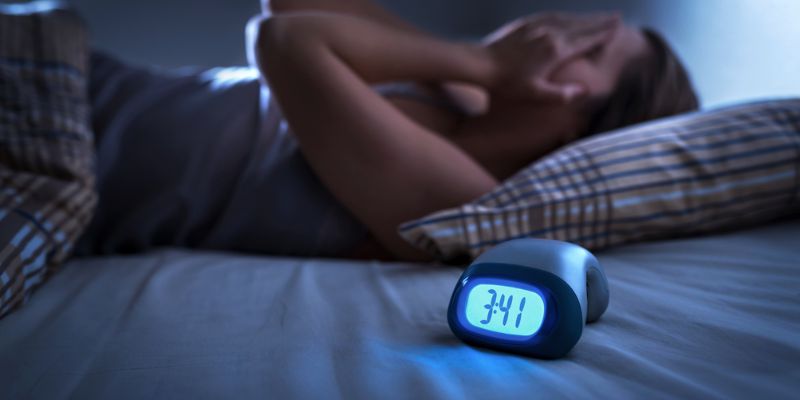
Sleep is very important for us to feel good. So many people around the world do not get a sufficient amount of sleep every day. There are some people who have trouble with sleep during the night, they wake up from sleep frequently. In spite of taking adequate length of sleep they still feel fatigued. In addition, there are some people who require taking a cup of coffee in the morning to feel fine. These symptoms together show that you suffer from sleep deprivation. Moreover, if people don’t get the required amount of sleep, this will definitely make them feel bad, it will be difficult for them to perform various activities, they will catch cold easily and will impact on several significant parameters related to sleep & our health, including mood, performance, immunity, etc.
With an ever-increasing pace of life, more and more people at various ages suffer from problems with their sleep due to long work hours, excessive use of screens, stress, irregularity, or other health issues that force them to look for solutions from the medical world. If sleep difficulties continue for weeks or months, exploring the best sleep disorder treatment in Sydney can help identify the underlying cause and provide an effective path toward better sleep.
At Solutions To Health, we have encountered various cases of sleep disturbances, and one of the most common patterns is that people tend to dismiss early symptoms and accept loss of sleep as a normal part of their busy lifestyle. However, most cases require proper examination and individual treatment.
Contrary to what many believe, getting good quality sleep involves much more than simply shutting your eyes and lying inertly on your back! During our night’s rest we allow our bodies to perform vital activities such as tissue repair, hormone balance, immune stimulation, memory consolidation, and others relating to optimal functioning of our brains.
When quality sleep is disrupted over time, people may experience:
The longer the sleep disturbances occur, the more negative their impact on health and daily functioning will be.
Several lifestyle changes have contributed to the growing number of sleep disorders seen today.
Work pressures, financial responsibilities, family commitments, and constant connectivity can make it difficult for the mind to relax before bedtime. Stress activates the body’s alert system, making it harder to fall asleep and remain asleep throughout the night.
Phones, tablets, computers, and televisions expose us to blue light, which can interfere with melatonin production—the hormone responsible for regulating sleep. Late-night screen use may delay sleep onset and reduce sleep quality.
Shifts, weekends, travel, and irregular sleep schedules can wreak havoc on the biological clock. When the body does not have a regular sleep-wake cycle, it can cause insomnia.
Excessive caffeine, alcohol consumption, late meals, and limited physical activity can also contribute to ongoing sleep disturbances.
Occasional poor sleep is normal, but persistent symptoms should not be ignored. Common warning signs include:
If these symptoms continue for several weeks, seeking professional advice is recommended.
Many people assume they simply have “bad sleep,” when they may actually be experiencing an underlying sleep disorder.
Common sleep disorders include:
Each condition requires a different management approach, making accurate diagnosis particularly important.
A comprehensive sleep disorder assessment & treatment process helps identify why sleep problems occur rather than simply masking symptoms.
An experienced practitioner may assess:
This detailed evaluation allows treatment recommendations to address the root cause rather than only the symptoms.
At Solutions To Health, assessments are designed to provide a complete understanding of each individual’s sleep patterns before recommending personalised treatment strategies.
Although medication may be appropriate in some situations, it is rarely the only solution. Long-term improvements often involve addressing contributing factors such as:
Combining these approaches often leads to more sustainable improvements than relying solely on medication.
A professional sleep clinic service provides access to specialised assessment and evidence-based care for people experiencing persistent sleep problems.
Depending on symptoms, a clinician may recommend:
Early assessment can help prevent sleep issues from getting worse while helping you achieve better long term health outcomes at our clinic.
At Solutions To Health, we create customised treatment plans based on your unique symptoms, lifestyle, and health goals as we recognise that no two sleep disorders will manifest themselves identically.
While everyone’s experiences are unique, many of them have seen noticeable improvement through making gradual lifestyle changes along with professional care. Here are evidence-based strategies often recommended during a sleep disorder assessment & treatment plan:
Going to bed and waking up at the same time—even on weekends—helps regulate your body’s internal clock. Irregular schedules are one of the most common contributors to poor-quality sleep.
Your sleep environment matters more than many people realise. A comfortable mattress, cooler room temperature, reduced noise, and limited exposure to light all encourage deeper sleep.
Phones, tablets, and laptops emit blue light that suppresses melatonin production. Limiting screen use at least an hour before bed may improve sleep onset for many individuals experiencing sleep problem treatment challenges.
Heavy meals, alcohol, caffeine, and nicotine close to bedtime often interfere with sleep quality. Small dietary adjustments can sometimes produce meaningful improvements.
Many people with persistent sleep problems describe racing thoughts when they finally get into bed. Relaxation exercises, breathing techniques, mindfulness, and structured bedtime routines may reduce mental stimulation before sleep.
Many individuals unintentionally delay recovery because they misunderstand how sleep disorders develop. Some frequent mistakes include:
Addressing these issues early often makes treatment more effective and reduces long-term health risks.
Sleep disorders rarely remain static. Mild symptoms often progress gradually, affecting physical health, emotional wellbeing, work performance, and personal relationships.
Professional evaluation allows clinicians to identify whether symptoms stem from insomnia, sleep apnoea, restless legs syndrome, circadian rhythm disorders, or other medical conditions requiring different management strategies.
People searching for the best sleep disorder treatment in Sydney frequently benefit from an individualised assessment rather than relying on one-size-fits-all solutions.
It may be time to consult a sleep disorder treatment expert if you experience:
Persistent symptoms deserve professional attention rather than ongoing trial-and-error.
Understanding why sleep disorders are becoming more common is only the first step. The next is identifying the specific factors affecting your sleep and developing a treatment plan tailored to your needs. At Solutions To Health, patients receive thorough assessments designed to uncover the underlying cause of ongoing sleep difficulties rather than simply masking symptoms. Whether someone requires guidance for lifestyle changes, further investigations, or support for insomnia treatment in Sydney, an evidence-based approach helps improve long-term sleep quality and overall wellbeing. Throughout the assessment process, Solutions To Health focuses on education, personalised recommendations, and practical strategies that fit everyday life. This commitment to patient-centred care is why many individuals seeking the best sleep disorder treatment choose us when looking for experienced guidance.
Modern lifestyles, increased stress, excessive screen time, irregular work schedules, and underlying health conditions all contribute to rising sleep disorders.
If poor sleep continues for several weeks, affects daily functioning, or includes loud snoring or excessive daytime fatigue, it’s time for an assessment.
Yes. Many people benefit from behavioural therapy, lifestyle adjustments, stress management, and personalised treatment plans before medication is considered.
A clinician reviews your medical history, sleep habits, symptoms, and may recommend sleep studies if necessary to identify the underlying cause.
Yes. Untreated sleep disorders are associated with heart disease, diabetes, depression, anxiety, obesity, and reduced immune function.

I am a Sydney based Naturopath and I am passionate about Women's Health, Natural Fertility Treatments and Infertility Management. I am also a Neurofeedback Practitioner using NeurOptimal® brain training system. I specialise in optimising Fertility, Women's health, Preconception care, Reproductive Healthcare for men and women, Miscarriage prevention and managing Menopause. I use both conventional and complementary health care methods to diagnose and treat health issues. I provide very effective treatment, using evidence based natural medicine and guide and support my patients to achieve better health. Personally, my own experience using complimentary Medicine has reinforced my belief and passion for helping people to be healthier.
Dorota Wroblewska is an experienced Naturopath and Nutritionist in Sydney. Dorota specialises in women's health, natural fertility, preconception care and reproductive healthcare for men and women. Dorota also offers natural health solutions for all health concerns, including digestive disorders, thyroid problems and adrenal dysfunction. Dorota is also a Neurofeedback trainer, using NeurOptimal® brain training system.