
Finding the best naturopath services in Sydney can feel overwhelming when every practitioner seems to offer a slightly different approach. One may focus heavily on supplements, another on gut health, while someone else may specialise in women’s wellness, nutrition or herbal medicine.
The real question is not simply, “Who is the best naturopath?” It is “Which practitioner is the right fit for my symptoms, goals and health circumstances?”
This matters particularly when gut health and hormonal wellness overlap. Digestive symptoms, energy changes, menstrual concerns, stress, sleep and nutrition can influence one another. A good practitioner should therefore look beyond one isolated symptom and develop a clear understanding of the bigger picture.
Solutions To Health focuses on practical, individualised naturopathic guidance designed around each person’s health goals, lifestyle and circumstances.
This guide explains how to compare practitioners, what to look for during a consultation, when nutritional therapy or herbal medicine may be considered, and which warning signs should make you cautious.
Naturopathy is not a one-size-fits-all discipline.
Two people can experience similar symptoms but require very different approaches.
For example, one Sydney professional may experience bloating because of irregular meals, low fibre intake, and constipation. Another person may have persistent digestive symptoms that require medical investigation. A third may have symptoms associated with a diagnosed gastrointestinal condition.
Treating all three people with the same supplement would not make sense.
The best naturopath services in Sydney should therefore start with assessment and appropriate questioning rather than immediately recommending a large collection of products.
A quality practitioner should want to understand:
These questions help establish context before a plan is developed.
When searching for a Naturopath Sydney practitioner, do not judge quality purely by the number of services listed on a website.
Pay attention to how the practitioner explains their process.
A thorough consultation may include a detailed health history covering nutrition, digestion, lifestyle, sleep, stress, medications, previous diagnoses, and relevant symptoms.
For gut or hormonal concerns, additional questions may be appropriate.
A practitioner might ask:
For reproductive or hormonal concerns, questions could include:
The point is not to assume that every digestive or menstrual symptom is caused by a hormonal problem. It is to understand the pattern.
Gut Health is often discussed online as though it has one simple solution.
In reality, digestive health involves several interconnected factors, including gastrointestinal function, dietary patterns, bowel regularity, food tolerance, lifestyle, and overall health.
Someone with occasional bloating after eating quickly may have a very different situation from someone with persistent abdominal pain and unexplained weight loss.
A responsible practitioner should distinguish between ordinary lifestyle-related concerns and symptoms that warrant medical assessment.
Hormonal Health does not mean maintaining identical hormone levels throughout life.
Hormones naturally fluctuate according to age, menstrual-cycle stage, pregnancy, menopause, and other physiological factors.
Symptoms such as fatigue, acne, changes in menstrual cycles, poor sleep, or mood changes can have multiple potential causes.
This is why a practitioner should avoid statements such as “all your symptoms are caused by hormonal imbalance” without proper assessment.
Personalised naturopathic care Sydney means adapting the consultation and recommendations to the individual rather than following a fixed protocol.
Imagine two people who both complain of afternoon fatigue.
Person A:
Person B:
Although the symptom is the same, the investigation should be different.
Person A may need a closer look at energy intake, meal patterns, recovery, and sleep. Person B may require broader investigation and potentially medical assessment for causes outside the scope of lifestyle support.
That is what makes personalisation important.
Nutritional therapy can be an important part of naturopathic care, particularly when dietary patterns may be contributing to symptoms or nutritional adequacy.
However, good nutritional guidance should be realistic.
A plan that requires someone to prepare six complicated meals every day is unlikely to succeed if that person works long hours and has limited time.
A practical nutritional assessment may consider:
Consider someone who experiences constipation and bloating but eats very little fibre.
Instead of immediately recommending multiple supplements, a practitioner might first examine:
If appropriate, dietary changes can then be introduced gradually.
This approach is more sustainable than making ten major changes overnight.
Herbal medicine and naturopathy are often discussed together, but herbal medicine should still be approached carefully.
Plants contain biologically active compounds. “Natural” does not automatically mean risk-free.
A practitioner should consider:
A trustworthy practitioner should also explain why a particular herb is being recommended rather than simply providing a long list of products.
If someone is taking several prescription medicines, coordination with their GP, pharmacist or relevant healthcare professional can be particularly important.
An online naturopathy service can be useful for people who have limited time, live outside central Sydney or prefer remote consultations.
However, convenience should not replace quality.
Before booking an online consultation, consider whether the service:
Online consultations can work particularly well for follow-up appointments where the practitioner already understands the person’s history.
For new or complex symptoms, however, it is worth asking whether remote care is appropriate for your circumstances.
A best naturopathic consultation should not simply be the longest appointment or the one that recommends the most products.
Quality is better judged by the reasoning behind the recommendations.
A strong consultation should ideally provide:
You should be able to explain your main concerns and feel that the practitioner has listened.
The practitioner should explain why certain lifestyle, dietary or complementary strategies may be relevant.
You should know what to work on first.
Trying to change everything simultaneously can make it difficult to identify what actually helped.
Instead of saying “balance your hormones,” a more useful goal might be:
A responsible practitioner knows when a symptom is outside the scope of naturopathic support.
Before choosing a practitioner, create a short comparison list.
Look for transparent information about education, training, and professional experience.
If your main concern is digestive health, experience with gut-related concerns may be more relevant than a practitioner who primarily works in another area.
Reviews can provide useful information about communication, professionalism, and appointment experience.
However, do not assume that a large number of five-star reviews proves clinical suitability.
Does the practitioner explain what happens during the first appointment?
Is there enough time for a proper history?
Be cautious of guarantees such as:
Human health rarely works that neatly.
Good care usually involves reviewing progress rather than giving one plan and never checking whether it worked.
The cheapest consultation may not provide the depth of assessment you need.
At the same time, a higher price does not automatically mean better care.
Consider the overall value, including consultation time, practitioner expertise, follow-up, and clarity of recommendations.
It is easy to spend significant amounts of money on supplements based on social media recommendations.
Try to establish why a product is being used before purchasing it.
Some lifestyle changes can produce noticeable improvements relatively quickly. Others require weeks or months of consistent effort.
Digestive and hormonal patterns should be assessed over an appropriate period rather than judged after a few days.
A video describing “five signs of hormone imbalance” cannot diagnose an individual.
Symptoms overlap across many conditions.
This is one of the most important misconceptions.
Naturopathic care can complement conventional healthcare, but it should not be used to delay necessary diagnosis or treatment.
Some symptoms deserve prompt medical attention.
These can include:
If you are concerned about a serious or unexplained symptom, speak with an appropriate medical professional.
A naturopath may also recommend medical assessment when the presentation warrants it.
For two to four weeks, record relevant symptoms and circumstances.
Depending on your concerns, you could track:
Patterns are often easier to identify when written down.
If you suddenly change your diet, supplements, exercise, and sleep schedule simultaneously, you may not know what helped.
A staged approach can provide clearer feedback.
Tell your practitioner if a recommendation is difficult to follow.
A plan that fits your actual life is usually more useful than an ideal plan you cannot maintain.
Do not hesitate to ask:
“What is the reason for this recommendation?”
A good practitioner should be able to explain the rationale in understandable language.
Instead of asking only whether you “feel better,” use measurable indicators where appropriate.
For example:
This makes follow-up conversations much more productive.
Holistic naturopathy considers the wider context of a person’s health rather than looking at one symptom in isolation.
That can be useful when several lifestyle factors overlap.
For example, someone with poor sleep may also have irregular meals, high caffeine consumption, work-related stress, and digestive discomfort. Addressing these areas together may provide a more coherent strategy than focusing on one symptom alone.
But holistic does not mean ignoring conventional medicine.
The strongest approach is often integrative: use appropriate lifestyle and complementary strategies while recognising when medical assessment, testing or treatment is required.
Before choosing among the best naturopath services in Sydney, ask yourself:
The answers can tell you much more than a polished website alone.
Choosing the best naturopath services in Sydney is less about finding the practitioner with the longest list of treatments and more about finding someone who understands your individual situation.
For gut health and hormonal wellness, a thoughtful approach should combine detailed assessment, practical nutrition, appropriate lifestyle strategies and responsible use of complementary therapies.
Personalised naturopathic care Sydney can be particularly valuable when recommendations are realistic, measurable and tailored to everyday life rather than based on generic protocols.
Whether you are considering nutritional therapy, herbal medicine and naturopathy, an online naturopathy service, or broader holistic support, ask questions and look for evidence-informed reasoning.
Most importantly, choose care that helps you understand your health better, supports sensible next steps and recognises when conventional medical assessment is needed. That balance is far more valuable than any quick “reset” or one-size-fits-all promise.
The right service depends on your symptoms, health history, and goals. Look for a practitioner who conducts a detailed assessment, understands digestive health, considers nutrition and lifestyle, and recognises when medical investigation is appropriate. Avoid choosing purely based on supplement recommendations or marketing claims.
An online naturopathy service can be useful for consultations and follow-up, particularly when travel or scheduling makes in-person appointments difficult. However, suitability depends on the complexity of your symptoms. Ask how the practitioner handles referrals, testing, and situations where remote care is insufficient.
Naturopathic treatment can involve nutritional guidance, lifestyle strategies and, where appropriate, herbal or nutritional supplements. The exact approach should be individualised. A responsible practitioner should explain the reasoning behind recommendations and consider medications, medical conditions and potential interactions.
It may provide supportive strategies for lifestyle and nutritional factors relevant to both areas. However, gut and hormonal symptoms can have many causes. Persistent or concerning symptoms should be medically assessed rather than automatically attributed to an imbalance.
Look for transparent qualifications, relevant experience, detailed consultations, realistic claims and a clear follow-up process. The practitioner should listen to your concerns, explain their recommendations, and know when to collaborate with or refer you to another healthcare professional.
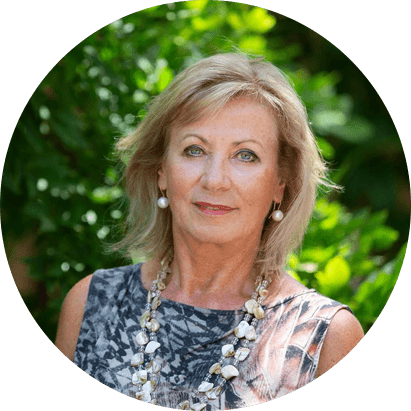
I am a Sydney based Naturopath and I am passionate about Women's Health, Natural Fertility Treatments and Infertility Management. I am also a Neurofeedback Practitioner using NeurOptimal® brain training system. I specialise in optimising Fertility, Women's health, Preconception care, Reproductive Healthcare for men and women, Miscarriage prevention and managing Menopause. I use both conventional and complementary health care methods to diagnose and treat health issues. I provide very effective treatment, using evidence based natural medicine and guide and support my patients to achieve better health. Personally, my own experience using complimentary Medicine has reinforced my belief and passion for helping people to be healthier.
Dorota Wroblewska is an experienced Naturopath and Nutritionist in Sydney. Dorota specialises in women's health, natural fertility, preconception care and reproductive healthcare for men and women. Dorota also offers natural health solutions for all health concerns, including digestive disorders, thyroid problems and adrenal dysfunction. Dorota is also a Neurofeedback trainer, using NeurOptimal® brain training system.