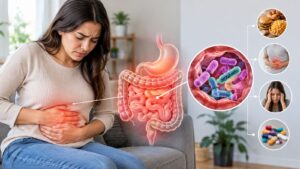
Exhaustion often follows long-term pelvic discomfort, intense menstrual bleeding, or struggles to conceive without clear cause. Some go through multiple years chasing explanations prior to correct identification. Awareness of endometriosis begins with knowing how it shows up at first glance. Spotting symptoms sooner might shift outcomes toward better daily living. What happens next depends heavily on recognition during early phases.
For women exploring endometriosis treatment in Sydney, learning about the condition is the first step toward making informed healthcare decisions. While medical treatment remains essential for diagnosis and symptom management, many women also benefit from complementary approaches that support overall wellbeing.
At Solutions To Health, we believe education opens doors for women at every stage of care. When causes and signs are clear, choices become more personal. With guidance nearby, short-term relief blends into lasting well-being. A roadmap forms – not forced, but shaped by insight. Clarity comes not from answers alone, but from knowing what questions matter.
Outside the womb, tissue much like its inner layer sometimes takes root. This can happen on organs such as the ovaries or tubes that carry eggs. Growths also appear on the bladder or sections of the intestine. The lining inside the pelvis is another possible site. Rarely, these cells show up in distant areas of the body. It persists long-term, marked by misplaced tissue formation.
With each monthly cycle, this tissue shifts just like the uterine lining when hormones rise and fall. Since nothing allows it to exit naturally, swelling may build up instead – leading over time to discomfort and fibrous bands forming silently inside.
Pain levels often ignore how advanced the illness appears. A person with minimal tissue changes might struggle with strong discomfort, whereas someone else facing widespread damage could notice little.
Symptoms vary considerably between individuals, making diagnosis challenging.
Common signs include:
Many women initially assume these symptoms are simply part of having a menstrual cycle, which often delays seeking professional advice.
Some days it feels worse than others – hormones shift, bodies change. As years pass, symptoms may grow milder or sharper. Pregnancy sometimes alters the pattern entirely. Each person’s path follows its own rhythm, shaped by inner conditions no chart can predict.
Years pass differently for each person – one sees discomfort grow, another stays steady. When stress builds up or rest fades away, symptoms sometimes follow. Inflammatory habits quietly add fuel, making moments worse without warning.
Monitoring symptom patterns can help healthcare providers develop more effective endometriosis management strategies.
Although researchers continue studying the condition, no single cause has been identified. Instead, several factors appear to contribute.
One widely accepted theory suggests menstrual blood flows backwards through the fallopian tubes into the pelvic cavity, allowing endometrial-like cells to implant outside the uterus.
Women with close relatives diagnosed with endometriosis appear to have a higher likelihood of developing the condition themselves.
Some researchers believe differences in immune function may reduce the body’s ability to recognise and remove misplaced endometrial tissue.
Because endometriosis is strongly affected by estrogen, hormonal changes throughout reproductive life influence symptom development and progression.
Several factors may increase the likelihood of developing endometriosis.
These include:
Having one or more risk factors does not necessarily mean someone will develop the condition, but understanding these influences can encourage earlier medical evaluation.
Endometriosis often affects much more than reproductive health. Women commonly report challenges involving:
Chronic pain can contribute to anxiety, frustration, and emotional fatigue, particularly when symptoms interfere with daily routines.
Frequent pain episodes may result in missed workdays, reduced productivity, or difficulty attending school or university consistently.
Persistent discomfort may affect intimacy, family responsibilities, and social activities, sometimes creating additional emotional strain.
Exercise can become difficult during painful flare-ups, although carefully selected movement often supports long-term wellbeing.
Comprehensive endometriosis care recognises both the physical and emotional aspects of living with this condition.
Receiving an early diagnosis allows women to explore treatment options before symptoms significantly affect daily life.
An assessment may include:
Working with an experienced endometriosis specialist helps determine the most appropriate investigations based on individual circumstances.
Women experiencing ongoing pelvic pain should not assume severe discomfort is simply “normal.” Seeking professional advice early often leads to better long-term outcomes.
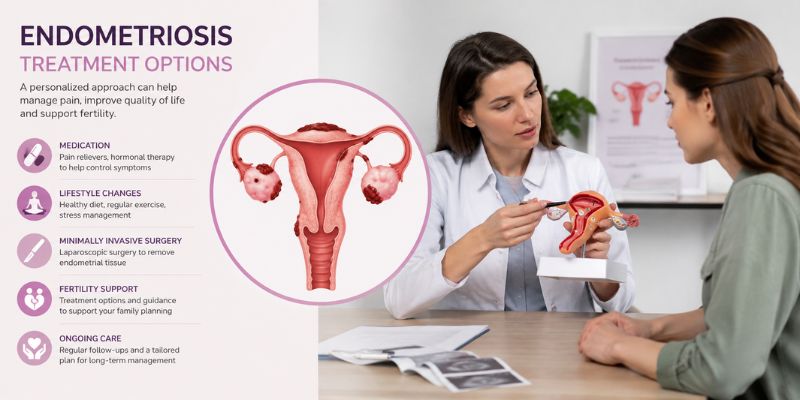
Treatment varies according to symptom severity, age, reproductive goals, and overall health. Common medical approaches include:
Medicines bought without a prescription or given by a doctor can ease swelling when symptoms worsen. Relief often comes as pain fades with proper treatment timing.
By limiting estrogen’s effects, hormonal treatments help control endometrial tissue expansion while reducing discomfort. Medication alters hormone signals so abnormal cell activity decreases gradually over time.
For some women, surgery may remove endometrial lesions or scar tissue, particularly when symptoms remain severe despite conservative treatment.
Medical treatment plans should always be personalised in consultation with qualified healthcare professionals.
At Solutions To Health, many women choose to complement conventional medical care with evidence-informed lifestyle strategies that support their overall wellbeing alongside their primary treatment plan.
While there is currently no single cure for endometriosis, many women find that combining conventional treatment with supportive lifestyle measures helps improve their quality of life. An endometriosis natural treatment plan should always complement—not replace—medical advice from a qualified healthcare professional.
Supportive strategies may include:
Because every woman’s symptoms are different, personalised care often delivers the most meaningful results.
Although food cannot eliminate endometriosis, nutrition may help support the body’s natural inflammatory response.
Many women benefit from focusing on:
Some women also notice symptom improvements by reducing highly processed foods, excessive alcohol, and refined sugars, although dietary changes should always be individualised rather than based on trends.
Small lifestyle adjustments often make living with endometriosis more manageable.
Low-impact activities such as walking, swimming, yoga, or Pilates may improve circulation and reduce muscle tension without placing excessive strain on the body.
Keeping a symptom diary can help identify patterns related to menstrual cycles, nutrition, stress, exercise, and sleep.
Fatigue is common with endometriosis. Scheduling adequate rest throughout the month may help manage fluctuating energy levels.
Many women achieve better outcomes by working with their GP, gynaecologist, allied health practitioners, and other professionals who contribute to coordinated endometriosis care for women.
Living with a chronic condition can feel isolating, particularly when symptoms fluctuate or are misunderstood by others. Accessing endometriosis support through healthcare providers, support groups, counsellors, or trusted family members can make daily challenges easier to navigate.
Many women find that sharing experiences with others facing similar challenges reduces stress while providing practical coping strategies. For those planning pregnancy, endometriosis fertility support for women may also form an important part of a broader treatment plan developed alongside fertility specialists.
Several myths continue to delay diagnosis and treatment.
Although mild discomfort is common, severe or disabling pain deserves medical assessment.
Symptoms often begin during adolescence or early adulthood.
Some women experience temporary symptom improvement during pregnancy, but the condition itself is not cured.
While surgery can significantly improve symptoms for many women, recurrence remains possible, making ongoing endometriosis management important.
Consider arranging a medical assessment if you experience:
Early intervention often provides more treatment options and better long-term symptom control.
One woman’s journey with endometriosis differs from another’s in subtle but meaningful ways. Because age plays a role, so do daily habits, plans for having children, how intense symptoms are, and general physical condition when deciding on care paths. Personalised attention at Solutions To Health means looking past pain relief alone. Each evaluation explores elements like diet, routines, and supportive methods that fit beside standard medicine. Medical treatment paired with small, consistent adjustments often leads to steadier results over time.
If you’re experiencing persistent symptoms or looking for personalised endometriosis treatment in Sydney, contact Solutions To Health to explore a tailored approach that supports your health, comfort, and long-term wellbeing.
Symptoms may change over time depending on hormones, inflammation, and lifestyle factors, making regular medical reviews important.
No. Many women conceive naturally, while others may benefit from specialised fertility assessment and individual treatment planning.
Gentle, consistent exercise may improve circulation, reduce muscle tension, and support overall wellbeing alongside medical treatment.
Not always. Some cases require additional imaging or laparoscopic assessment for an accurate diagnosis.
Every woman’s symptoms, medical history, and health goals differ, requiring tailored treatment plans rather than one-size-fits-all approaches.
I am a Sydney based Naturopath and I am passionate about Women's Health, Natural Fertility Treatments and Infertility Management. I am also a Neurofeedback Practitioner using NeurOptimal® brain training system. I specialise in optimising Fertility, Women's health, Preconception care, Reproductive Healthcare for men and women, Miscarriage prevention and managing Menopause. I use both conventional and complementary health care methods to diagnose and treat health issues. I provide very effective treatment, using evidence based natural medicine and guide and support my patients to achieve better health. Personally, my own experience using complimentary Medicine has reinforced my belief and passion for helping people to be healthier.
Dorota Wroblewska is an experienced Naturopath and Nutritionist in Sydney. Dorota specialises in women's health, natural fertility, preconception care and reproductive healthcare for men and women. Dorota also offers natural health solutions for all health concerns, including digestive disorders, thyroid problems and adrenal dysfunction. Dorota is also a Neurofeedback trainer, using NeurOptimal® brain training system.